The Easter bunny hid some chocolate eggs around our outdoor area. The children had so much fun finding them. They were delicious! 🪺🍫🐰
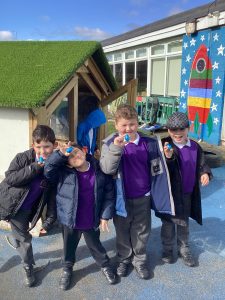
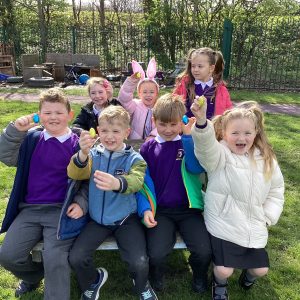
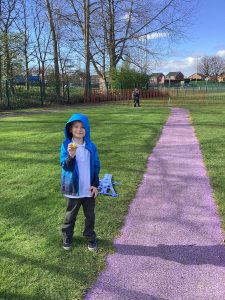
The Easter bunny hid some chocolate eggs around our outdoor area. The children had so much fun finding them. They were delicious! 🪺🍫🐰
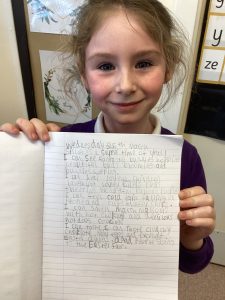
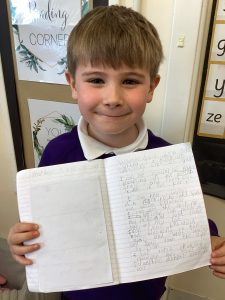
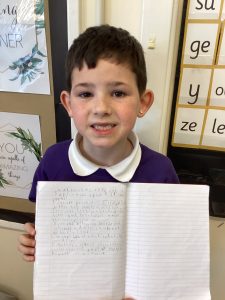
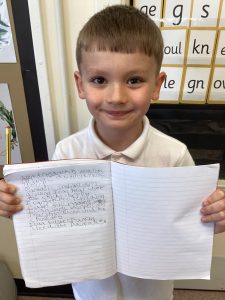
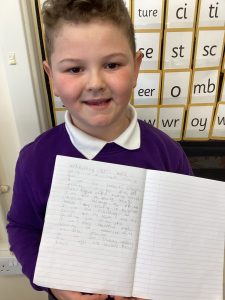
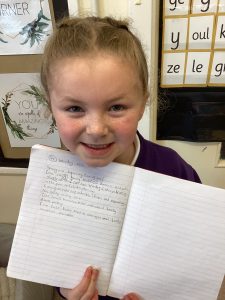
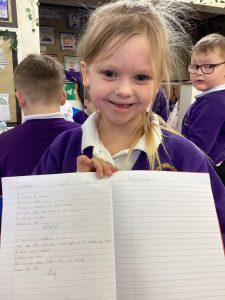
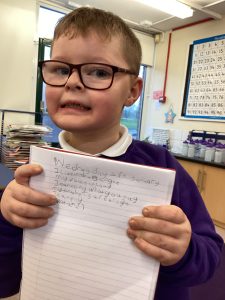
Class 6 have been writing some wonderful senses poems using a range of interesting features such as adjectives, nouns, verbs describe what they can see, hear, smell, taste and feel in Spring. The children even used alliteration – the repetition of initial consonant sounds – to emphasise specific words and create a sense of musicality and rhythm when performing their poems.
Excellent work, Class 6! 🌸🌻☀️🌈🌧️🐣
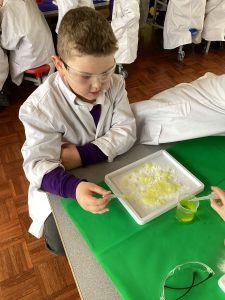
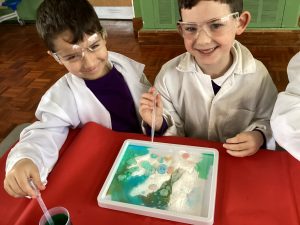
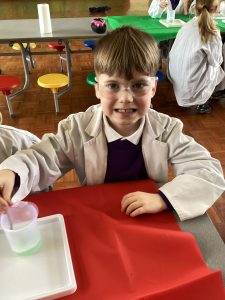
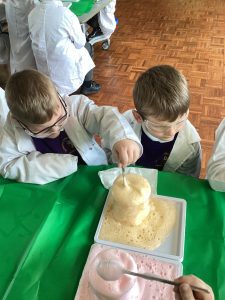
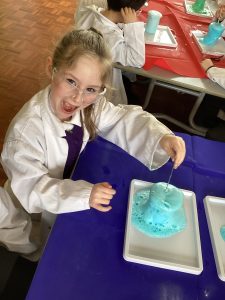
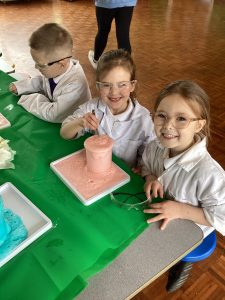
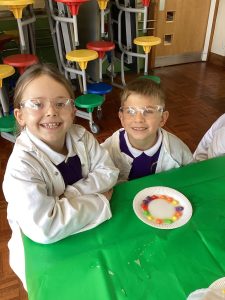
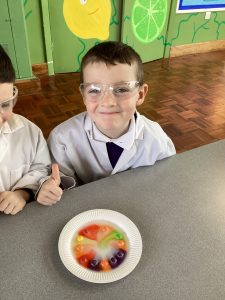
To celebrate British Science Week, Year 2 had a special visit from Science Buddies! The children dressed up as scientists and carried out lots of interesting experiments.
In their first experiment, the children used pipettes to mix vinegar and food colouring with bicarbonate of soda. This caused the powder to fizz up and create some lovely rainbow bubbles. 🫧
The children then mixed vinegar and food colouring with washing up liquid and adding bicarbonate of soda to create a chemical reaction. The children said it was like a volcano erupting. 🌋
The final observational experiment involved diffusion. The colouring from the skittles melted and diffused through the warm water to create a rainbow effect. 🌈
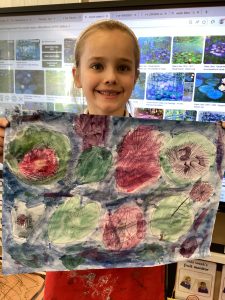
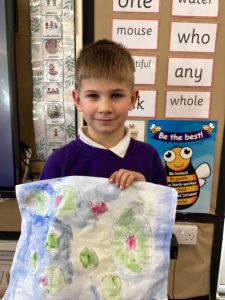
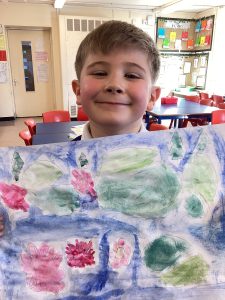
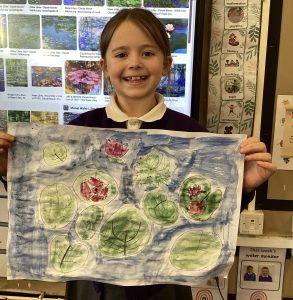
In our Art lesson we have been learning all about Claude Monet, an artist who lived from 1840-1926 and was famous for painting vibrant, soft-focus landscapes. The children looked at some of his Water Lilies paintings and created their own versions of his artwork using watercolour paints. 🎨
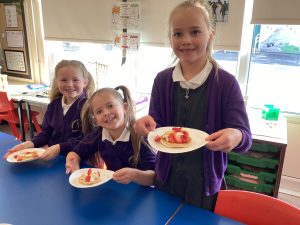
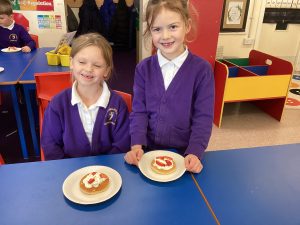
Class 6 have been learning lots of facts about Pancake Day, also known as Shrove Tuesday. In Christianity, Shrove Tuesday is the feast before the start of Lent. Lent begins the day after Pancake Day and lasts for the 40 days leading up to Easter.
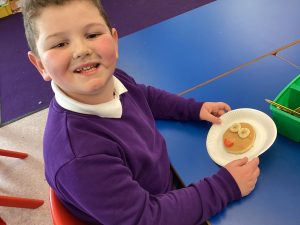
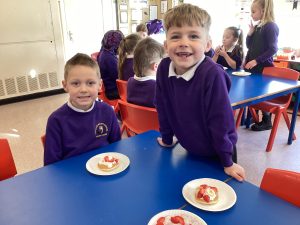
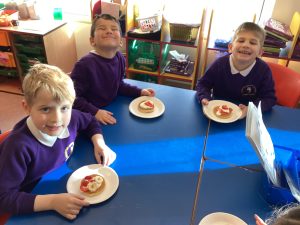
The children enjoyed adding lots of tasty toppings to their own pancakes, including cream, strawberries, raspberries and bananas. They were delicious! 🥞
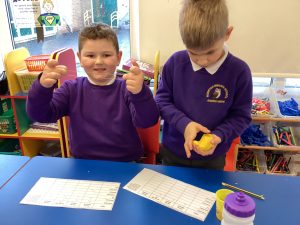
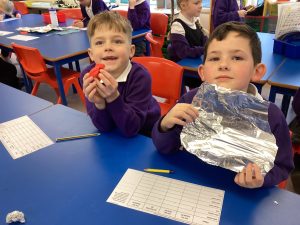
Class 6 have been testing materials during their science lesson to identify how the materials can be changed. The children worked in pairs to explore which materials could be changed by squashing, bending, twisting or stretching them. They tested foil, paper towels, rulers, elastic bands, pipe cleaners and Play Doh.
The children found that all of the materials could be changed in some way, but the only two materials that could be squashed, bent, twisted and stretched were the Play Doh and elastic bands. Some of the materials even went back to their original shape after being changed.
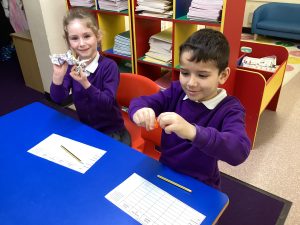
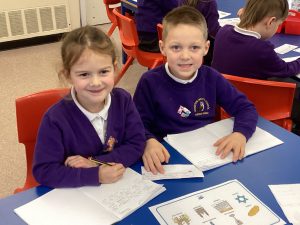
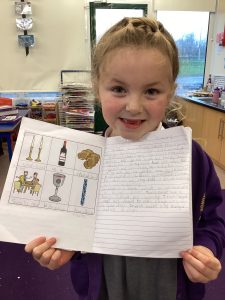
This week in RE the children learned all about Shabbat, which is the Jewish day of rest. It is celebrated from Friday sundown to Saturday nightfall and honors the creation of the world by pausing all “work” to focus on family, prayer, and relaxation.
The children did some excellent writing all about Shabbat. They included lots of information about the special rituals that take place, like lighting candles, eating challah bread and enjoying a family meal together. ✡️
Class 6 have been learning all about riddles. The children have enjoyed reading lots of funny riddles about different objects. Today they wrote their own animal riddles.
The children kept their chosen animal a secret then let their partner read their riddle. Their partner had to use the clues to guess what the animal could be.
The children all did a great job! 👏🦋🐍🐒🐞🐠🦍🐘
In our science lesson this week the children have been learning about a scientist from the past called Louis Pasteur. Louis explored how diseases and infections spread and found that germs and bacteria are passed on to people and objects through touch and through the air.
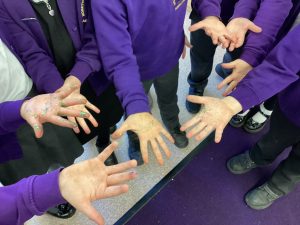
We carried out an investigation to find out how easily germs can spread. One person in each group put their hands in glitter, then shook hands with the other children in their group. We could see that the glitter transferred to each person and spread very easily. The only way that we could get the glitter off was by washing our hands with soap and water.
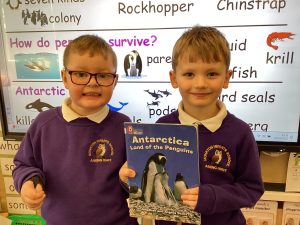
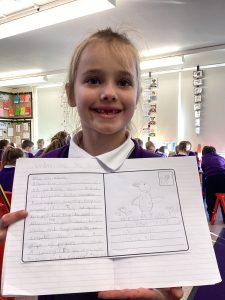
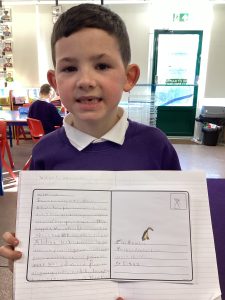
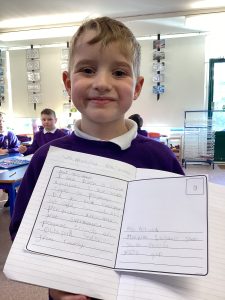
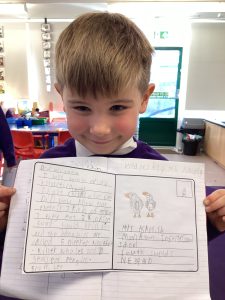
This week the children have been learning all about non-fiction texts. We read the non-fiction text ‘Antarctica’ and found out lots of interesting facts and information about what Antarctica is like and the animals that live there. The children were very keen to learn about the seven different types of penguin that can be found in Antarctica.
We then pretended to be Antarctic explorers and wrote postcards to Monkton Infants School, telling Mrs Askwith all about Antarctica. We are so proud of the children’s lovely writing! 🐧

By default cookies are switched off for this site. You can enable them by clicking the green button.
By not enabling cookies some features of the site may not be visible to you. For example, facebook feeds, Google maps and embedded YouTube videos.